
Gothic Interior Design: A Beginner's Guide

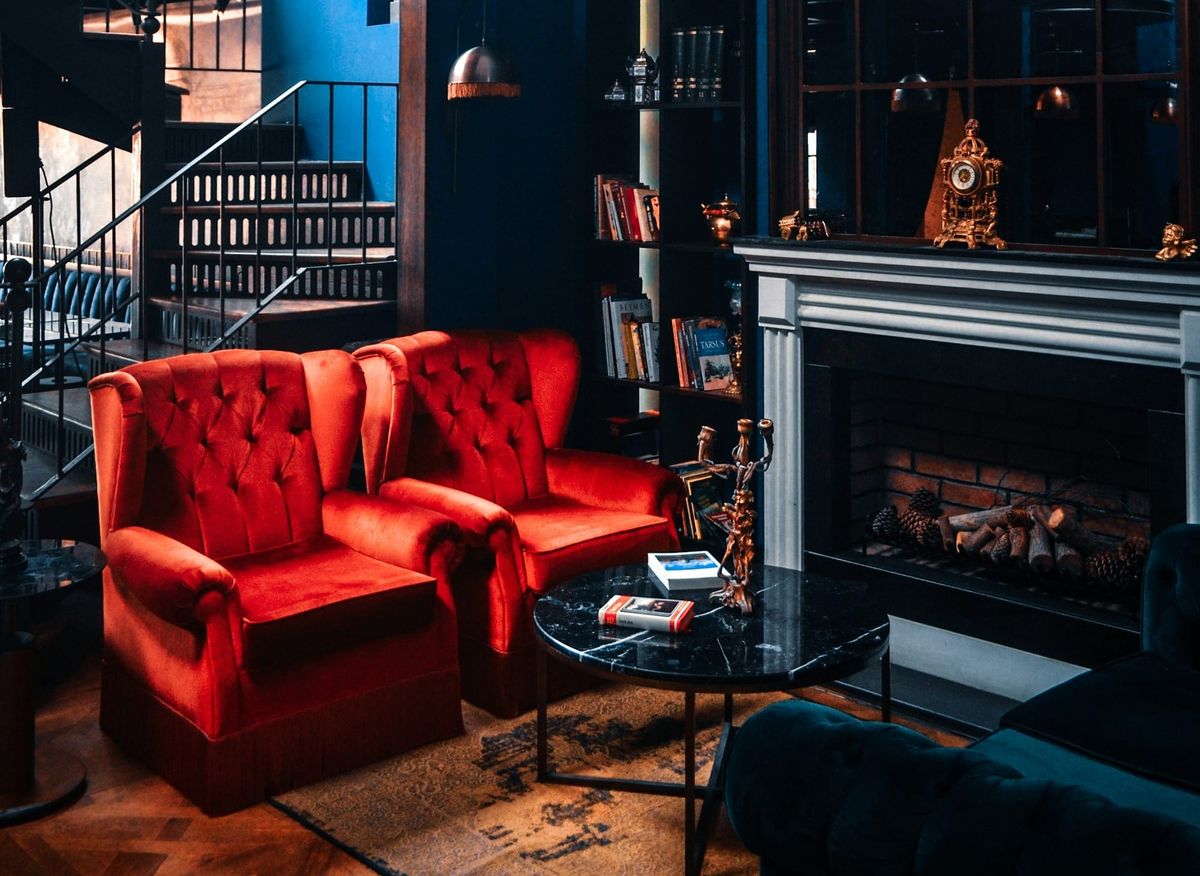
What is Gothic Interior Design?
Gothic interior design is a decorating style inspired by Gothic architecture, Gothic Revival interiors, Victorian design and romantic ideas on history, literature and craftsmanship.
With rich, moody colours, ornate details, layered textures and meaningful objects, gothic design is all about creating atmosphere. Here, we celebrate personality, collection and storytelling.
Key Characteristics of Gothic Interior Design
- Deep, moody colour palettes
- Dark wood furniture
- Antique or vintage-inspired pieces
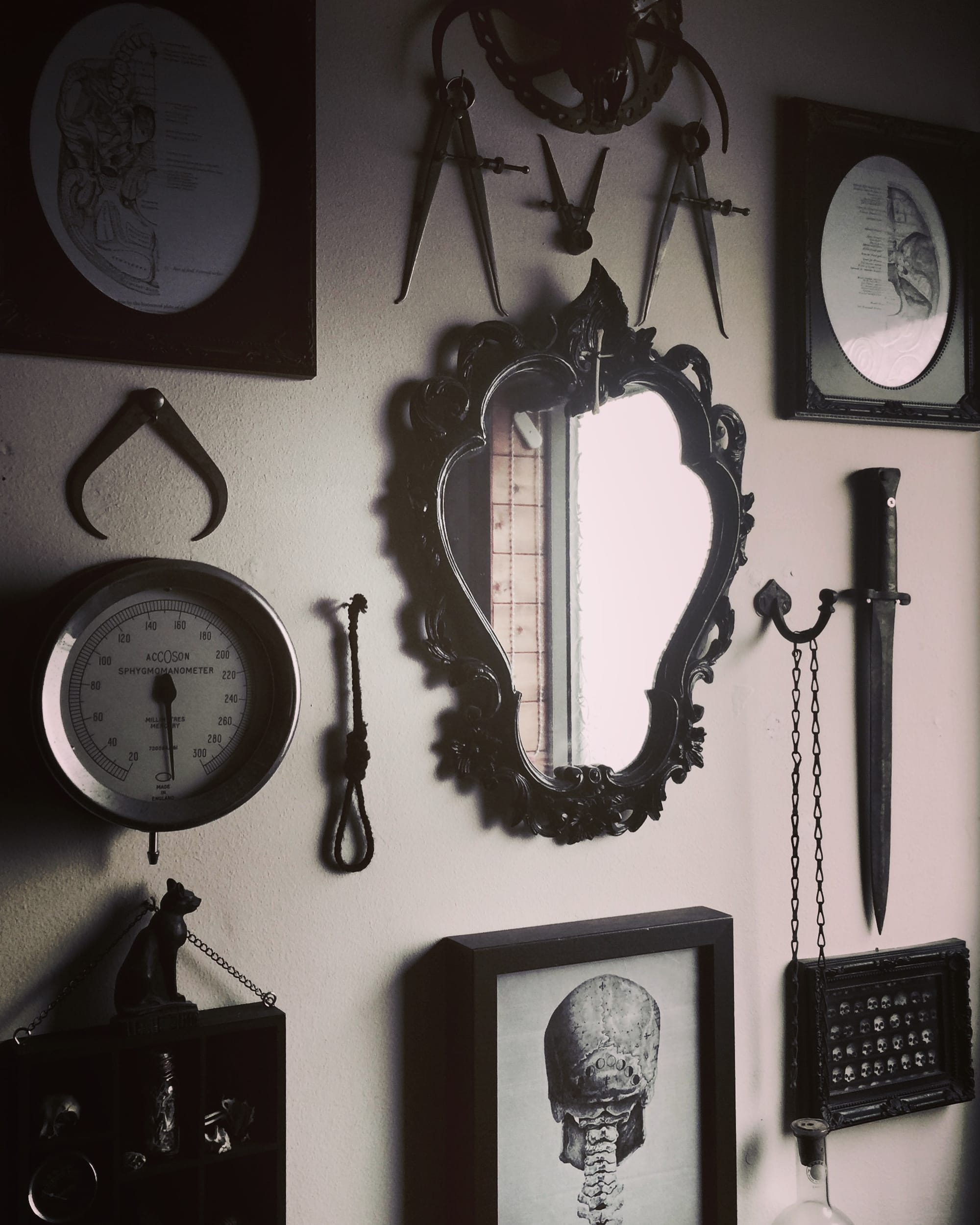
- Ornate mirrors and frames
- Velvet, brocade, and luxurious textiles
- Atmospheric lighting
- Books, art, and collected objects
- Architectural details and craftsmanship
The Origins of Gothic Interior Design
The gothic home decor style has roots in medieval Gothic architecture, which emerged in Europe in the 12th century. Think pointed arches, stained glass, stone carvings and vaulted ceilings. This is why every goth you know, deep down, wants to live in a church.
In the 18th and 19th centuries, the Gothic Revival movement brought these design elements back into fashion. Victorians embraced these influences, filling their homes with dark woods, rich fabrics, patterned wallpapers and decorative objects.
Modern gothic design is very similar to Gothic Revival interiors, just with some contemporary tweaks.
The Essential Elements of Gothic Interior Design
A moody colour palette
No goth home is complete without a moody colour palette. It's the first thing people associate with gothic interiors - but it doesn't have to mean black.
Popular shades include:
- Charcoal
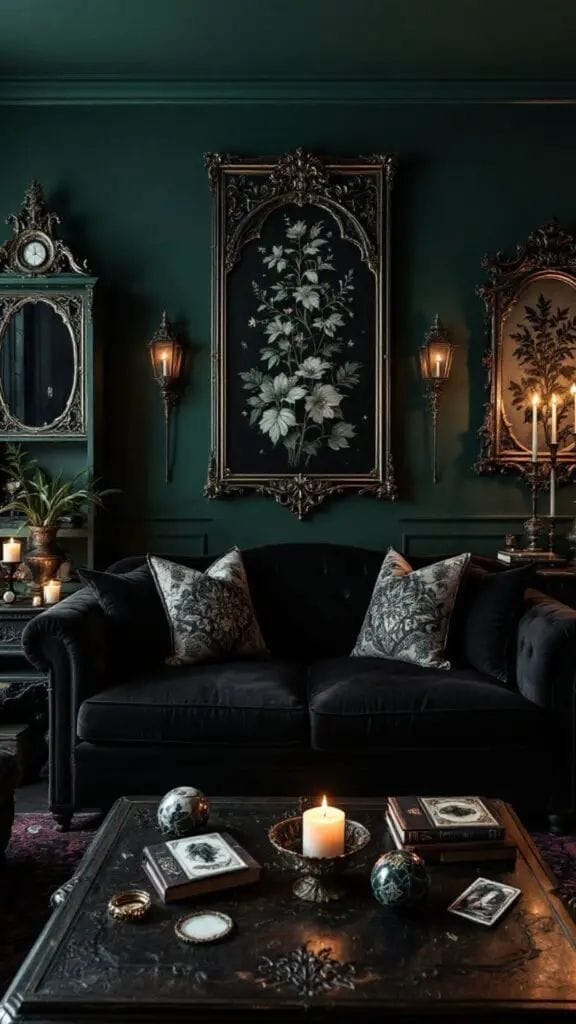
- Deep green
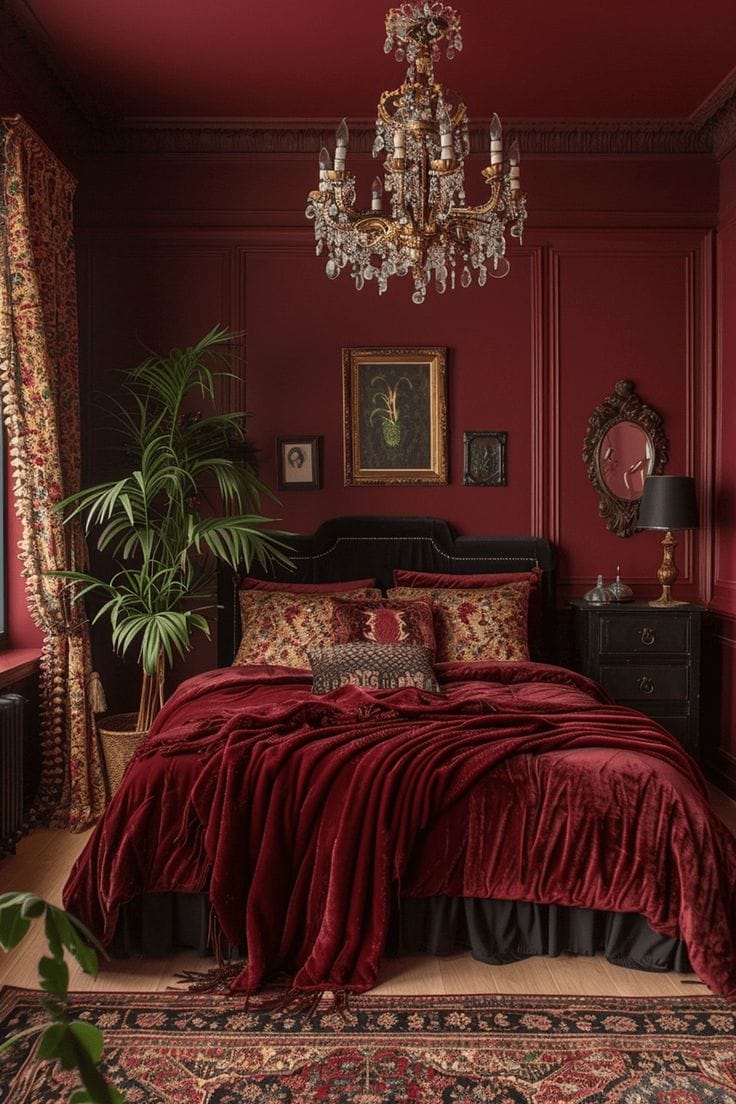
- Burgundy or Oxblood
- Plum
- Navy
- Chocolate brown
Beginner tip: if you're unsure about going dark, then try it with one accent wall first, and let it grow on you before you commit.
Rich materials and texture
Texture helps gothic interiors from feeling flat. Even if you're fully committed to everything being black,introducing multiple textures will make sure that you have visual interest.
Use:
- Velvet (a goth favourite)
- Faux fur
- Dark wood
- Leather
- Brass
- Stone
- Aged finishes
Atmospheric lighting
Lighting is a hugely important part of creating a moody atmosphere. Think table lamps, wall sconces (very goth), chandeliers and candles. Lots of candles. God forbid you put on the big light, is all I'm saying.
Statement furniture
Gothic furniture should be substantial, timeless and statement. You don't need a whole room of gothic furniture filled with ornate carvings and antique heirlooms (though that would be nice), but one or two standout pieces would really set the tone.
Curated objects and decor
This is where you make a house a home. Whether it's your favourite artwork, hung in ornate frames in your gallery wall, antique books you inherited from a relative, or your collection of creepy candles, your collection of objects and decor is where your personality will truly shine.
Modern Gothic Interior Design Ideas
Whether you're living in a stately home, a 1930s semi or a studio flat, you can create the modern gothic home of your dreams. We're going for atmosphere, not living-in-a-museum vibes.
Try:
- modern furniture and dark moody walls
- vintage finds and contemporary pieces
- layer ornate lighting with minimal lampshades
- rich, layered textiles on neutral furniture
- antique frames and modern artwork
How to Create a Gothic Home: A Beginner-Friendly Approach
If you're new or nervous about gothic style decorating, start small.
Choose a room
Bedrooms and living rooms are often the easiest places to begin, as you can change the vibe of the room really easily with a few texture swaps.
Build a colour palette
Get inspired. It could be a piece of art work, colours in nature, a piece of clothing you really love will help you find a colour palette that work together well already.
Select two to three complementary shades. Make one a metal (gold, silver, copper, brass) and one a lighter colour for your accent colour.
For example, you might pair; charcoal, forest green, antique gold and cream together.
Layer texture
Think about your curtains, your cushions, your furniture, and your metal accents - what texture are they? How can you make them richer? Both to the touch and to look at!
Improve lighting
Any gothic style room needs multiple light sources to create warmth and atmosphere. Could you add standing lamps, table lamps, lights to draw your focus to artwork? Do you need special lighting to read by or to work on your knitting or other equally cool hobby?
Curate objects
Start frequenting your local antique shop, indulge yourself with the cool curio bits you can't get out of your head, and start collecting objects that mean something to you.
Common Gothic Interior Design Mistakes
- Making everything black. While colour drenching is joyful and immersive, when it comes to dark interiors it can make the room feel a bit flat. Adding in accent colours, metals and textures is your key to balance.
- Prioritising theme over function. You don't want to go too far down the historical route, or it will leave your home feeling like a museum. It should still feel comfortable and livable.
- Buying everything new. Another way to add depth to a space is to include vintage, antique, second hand and new pieces. It makes it feel much more authentic to you.
- Ignoring lighting. Death to the big light! Poor lighting will not only make your room feel gloomy, it won't feel very usable either. You need lighting to accent your space, as well as ensure that you can see your book where you want to read it, for example.
Your Inner Sanctum
Gothic interior design is all about creating a home that feels personal to you. It should be layered, atmospheric and unique. Whether you're looking to inject a bit of Victorian elegance, dark academia or a more modern gothic approach, the key is to focus on colour, texture, lighting and meaningful objects.
The most compelling gothic interiors are not created overnight. They are curated, collected and lived in.